Born to Wander

Kathleen Lynn

July 25, 2026

I became enchanted with hiking and camping long before I had a driver’s license or owned my first car. The woods, ponds, meadows, and valleys pulled at me like a magnet from when I was old enough to walk by myself.

One of my first adventures takes me back to a small cottage off Plainfield Avenue on the Grand River in Northeast Grand Rapids. At three years old, the rhythm of my day began with the whooshing of the Grand River that ran in front of our house. Rowboat adventures to swim on the opposite bank became a weekly ritual and lent a recreational feel to our lives. 

The first time I explored on my own at that age, I grabbed a blanket and dragged my play table and set them in the woods across from our driveway, on the side opposite of the water.

My mom watched with curiosity, which eventually turned into a watchful eye. After a few times of exerting my independence, she played along and packed a suitcase for me to take on my adventures. After twenty to thirty minutes, I’d return to my play area, motivated by that initial rush of freedom.

One day, I snuck out of the house when she wasn’t paying attention. I wanted to see how far back I could go into the woods. The further I went, the harder it was to see the way back. The undergrowth grew thicker, and the trees changed. I know now that the “mean” trees were probably honey locust or hawthorn. All I knew back then was that the harder I tried to untangle myself, the more I became tangled up in the long black spines that pierced my skin, with pokes that felt like bee stings.  

Soon, I was bleeding from several spots, and it seemed I had been gone a long time. I realized I had made a mistake when I didn’t remember the path home. I cried and couldn’t stop shaking.

I didn’t know that my venture that day sent my mom into a panic. Her fright increased when she realized I was actually missing and not just setting up camp across our driveway. Beyond our woods, a sand and gravel company had dug a dangerously deep pit, prone to collapse, and full of slippery mud that made it hard to get out even if you just waded in a few feet.

Suddenly, I heard branches snapping and loud snorting and knew my German Shepherd dog, Rusty, was heading my way. I called for him and he came bounding towards me. I wrapped my arms around his thick fur and when he walked away, I held onto his tail. He gave no growl of protest as I tightened my grip, not wanting to lose my rescue animal. Rusty allowed that intrusion, and continued to follow the trail only dogs can smell to the safety of our yard. That taught me something about the protective nature of dogs.

My mom’s tear-streaked face was the first thing I saw when I reached our dirt road. She pulled me into a tight hug and wouldn’t let go. The wicked branches had torn my clothing, and several thorns stuck out of my head, causing blood to drip down my face.

As my mom came into view, I ran into her arms and noticed her weary face. Nothing in my life had ever felt better. She told me years later, that she could hardly breathe in my absence, because she feared drowning would be my fate. When she shared that, I could imagine how she would have felt if a team of divers brought my lifeless body up our back steps. My poor mother!

I wish I could say I never did anything that risky again. But then, I’d be lying. Over the years, I seem to have repeatedly chosen some wicked thorns with dire consequences.

At least these days, I write those adventures into my stories and don’t actually choose the roller coaster ride. I now prefer to experience the thrill from the safety of my writing chair, with a cozy blanket on my lap.

Where’s the Cheese?

Every camping trip creates memories.

Some become treasured family stories.

Others become legends…for entirely the wrong reasons.

If you’ve camped long enough, you’ve probably got a few of those.

Here are seven of ours.

  1. The time we ignored flood warnings, got stranded in our car, and spent two days making what should have been a 45-minute drive home. The wet distributor cap killed the engine every time we hit a dip in the road, and it took two to three hours each time to dry out enough to start. 
  1. The time we traveled to Michigan’s Upper Peninsula to stay at a stunning park, just to find we were the only campers because of an Asian fly invasion. We tried to cook one meal with our bodies and faces covered with ‌black insects, then packed in a hurry and left. The ranger gave us a refund.
  1. The time a rabid forty-pound raccoon attacked our tent and clawed through the nylon. We pushed it over the edge of a tall cliff in the camp. The next night, at our first campfire, he resurfaced at the cliff’s edge. We ran to the car for the rest of the night.
  1. Once we drove for hours to a winter survivalist camp challenge,armed only with a black plastic bag and a pack of matches. We arrived and realized we had forgotten the matches.  
  1. The night I thought I could down shots of tequila like everyone else and ended up wandering, lost in the woods. 
  1. When we went exploring on unknown trails and hit an immense hole, flipping the car on its side. Lost without a cell phone. Our worried family went looking and found us the next day.
  1. We planned to cook cheeseburgers and discovered another camper had raided our cooler when we were at the river. They took the cheese. It was the only explanation, as we had latched it and nothing else was missing. Fifteen years later, my husband still rages about who took the cheese.

Kathleen Lynn

Author

July 15, 2026

***

Have you ever had something so ridiculous happen while camping that your family still laughs—or argues—about it years later? Pull up a chair and tell us your story.

Barbara Jean’s Biggest Fish

My mother once caught the biggest walleye anyone in our family and circle of friends had ever heard of.

The funny part?

She didn’t fish.

She couldn’t even swim.

Here’s what happened.

Around the time I was in third grade, my parents decided the only vacation they could afford was camping for free. By that time in my life, they shared their home with six children, eventually becoming eight. During the early sixties, trees and agricultural farms surrounded our five-acre Belmont, Michigan lot where we lived in a small ranch house. Farming was the chief occupation in the neighborhood, but newer settlers, like my father, commuted to Grand Rapids, where he worked as an electrical technician for Lear Siegler. Families were large, and just about everyone lived on a tight budget. Activities centered on church events, berry and mushroom gathering, swimming, hunting, fishing, and winter ice-skating and sledding, all of which cost nothing.

My mom and dad couldn’t afford a cabin or far-away travel, so after school ended in June, we’d close our house, pack all of our camping equipment in a utility trailer, and head for the Manistee National Forest near Hardy Dam in Michigan. My dad set up camp like a military operation. He was a U.S. Navy man and owned a military tent that had formerly been a barracks for servicemen.

The first year, all the children slept in the enormous tent in sleeping bags on the floor. After torrential early summer rain had us kids waking up soaking wet, he purchased wooden cots that kept us elevated and dry. My parents organized different areas: a gathering corner around our big picnic table, a cooking area with long wooden bookshelves that held our pantry items, tables for a Coleman propane stove and dish racks, and hanging hooks for fruit, potatoes, onions, and other non-perishable items. The wash area held a freshwater basin, towels clipped to a branch, and a big washtub with a clothesline strung behind it for the clothes washing my mom would do by hand. Our latrine, located away from camp, was a big pit with a board stretched across the hole and held up with two plastic buckets. Using the restroom could be a tricky business, as there was always a chance of falling in.

Because he intended to camp long-term (we usually stayed a couple of months), my dad did not rely on coolers for refrigeration. That was a practical choice, as the ice melted so fast. He instead dug a large pit, lined it with heavy plastic, then placed block ice on the bottom. Milk, eggs, meat, and other perishables stayed cold for nearly a week on only two blocks of ice. I can still remember how cold it felt when we had to grab one of the glass half-gallon bottles of milk. My dad replenished the ice twice a week when he purchased supplies on the way back to camp after work.

The siblings had fun hanging the hammock, sweeping the “floor” with white pine branches, and helping to make the camp tidy. It was like playing house, one of our favorite games, for about eight weeks. My mother always approved of that vacation in subsequent years. She didn’t have to keep up a house with six active children always making messes, and we were free to roam anywhere we wanted during that time. I remember her writing stories in a camp chair while we occupied ourselves building forts, going on nature hikes, and splashing in the water for hours on sunny days.

My mother had no way of communicating with the outside world when she was at camp, as our family only owned one car. We didn’t have a radio, nor electricity. Cell phones didn’t exist. There was no running water, so my dad would refill huge five-gallon containers of drinking and cooking water and bring them on his daily return. Music came from our own voices or my dad’s old acoustic guitar. The remaining forms of entertainment were playtime and storytelling at night. 

Today, you would have to pay a lot of money to rent that spot. During the sixties, we could stay as long as we liked. The opening in the forest where we set up stood on a bluff, surrounded by pines and other deciduous woods, perfect for cooling a summer home. The Muskegon River was out front with a white sandy bank leading to crystal-clear water, offering the best swimming I’ve ever experienced. 

My father could only spend a full week with us at the beginning. For the rest of the summer, he commuted to his job in Grand Rapids and joined us after work until the weekends. He enjoyed our “resort” as Mom never complained much at camp about his nightly beer habit. The vacation atmosphere lightened her stress and, now I realize, gave her the time she needed for creative expression.

Summer couldn’t stay perfect forever. There came a time when my mom grew tired of my father grabbing a six-pack of beer and heading to the boat right after work. He had been intent on catching the monster walleye that had been lurking out in front of our camp. It was at least twenty-eight inches long, and my dad estimated its weight at eight to nine pounds. The reason his estimate was accurate was that he once had it on his line, but the fish broke free. He caught many others, and we lived on what we brought from home, limited grocery items, and fried and smoked fish. Still, he yearned for the trophy.

My mom had grown tired of washing clothes by hand, and having the stress of cooking meals, doing dishes, and checking on six of her offspring, always heading for a little mischief whenever we could. She wanted just one quiet hour to herself. She couldn’t find relaxation in the water, fishing, or boating because she feared the water. Her mom never taught her to swim, and she had been afraid that if she waded out too far, she could lose her balance and drown.

I remember the day of the argument. It was then that the idyllic life came to a stop for her. My parents yelled back and forth, my dad claiming his fishing nights were keeping the family alive and my mother screaming she was tired of all the responsibility of the kids, two of which were still in diapers.

My mother stomped down the sandy bank as my dad ran after her, telling her to stop. She shot back, “I’ll just catch that damn fish. You wait and see.” She jumped into the boat and shoved off from the shore. He let her go, thinking that she would turn around. He always used oars to navigate the small aluminum boat, and he was certain she wouldn’t have the strength to gain any distance. 

Barbara Jean shocked us all. She rowed quickly, without a life jacket, to the distant spot out front of our camp, anchored the boat, rigged up his pole, and cast her line into the water.  Stunned, my dad returned to the main camp up the embankment. The kids stayed on the beach for a while. The younger siblings followed my dad and my older sister. Finally, I was the only child left on the beach, fearful that if I turned away, I would look out and see an empty boat, and know my mother had fallen overboard, never to come back to us.

The sun was almost setting, yet I still watched. I could see my mom’s hand raised in the air to cast the line, but couldn’t see anything else that was happening. I was surprised she even knew how to use Dad’s fishing pole and wondered if she had even caught a minnow. After what seemed like hours, I spotted her pulling on the oars and returning to shore. When she got close enough to yell, she screamed, “Go get your dad.”

I thought maybe she had cut herself, or snagged the line somewhere on her body. I jetted up the hill and the entire family ran back down to the water together. My mom didn’t say another word as she pulled the boat onto the sandy beach.

Then she reached into the boat and lifted the biggest fish I’d ever seen. We all cheered, even my dad. I expected Dad to be furious. Instead, he gave her a big hug and said, “Good job, Barb.”  

I’m not sure if I ever saw a wider smile on my mother’s face. She had proven something to us and to herself.  

Life has a way of taking us in all different directions, but even years later, my dad still proudly told his fishing buddies that his wife had caught the biggest walleye he’d ever seen.

Kathleen Lynn

Author 

July 14, 2026

Campfire Prompt

Every family has a story that gets told around the dinner table, at reunions, or beside a campfire. Sometimes it’s funny. Sometimes it’s unbelievable. Sometimes it becomes part of the family’s history.

What story has been passed down in your family over the years?

There are no right or wrong answers. Pull up a chair and tell us your story.

The Kindness of a Stranger

What I remember most about the tornado warning that interrupted the last night of our vacation wasn’t the storm. It was the kindness of one stranger.

When the siren warnings went off, the hardest part was leaving Brody and Bonnie in their crates in my travel trailer. They were already powerful Chessies, and I couldn’t manage them on my own. I joined other campers in the cement bathhouse, all of whom had their dogs with them; the rangers sheltered with us, too. My husband was on a lake fishing.

The sky had turned black, and the wind picked up. It stressed me to leave my dogs, and I was worried about my husband’s safety. Another camper, Lynn, gave me a big hug and told me my dogs would be okay. I texted my husband: “TORNADO WARNING! Get off the water! I love you.” Then I phoned him, but my service had gone down and I couldn’t get through. 

We watched branches and debris flying in the air through the open door of the shelter. 

Lynn kept me calm. She told me about her kids, her grandchildren, her dog, and her travels. I tried my husband again and there was nothing. Lynn grabbed her phone and offered it to me. I dialed; the call dropped again. She pulled me into another big hug.

To keep my mind off things while the storm rose around us, we talked about books. I told her about my newly released Janet Hardy suspense novel, and she smiled when I shared my website. She loved suspense, and before we knew it, we were talking like old friends. All the while, her calm husband cradled their beautiful ten-year-old fur baby, quietly adding a kind word now and then.

It was our last vacation night, and we planned to fry fish. We had driven into town for more supplies under threatening skies. My husband turned to me. “We’re going home.” Looking at our route, the severe weather would follow us, but with a much lower chance of severity.

As we packed our gear and Randy secured the hitch, Lynn and her husband Mark drove by our campsite, their fifth wheel in tow. Lynn flew out of her truck and stretched her arms to give my husband a hug. “I’m so glad you’re alright.” She had never met him! Then she stopped by my window, gave me an air hug, and blew me a kiss. Some people are angels in your life. 

She’s one of them. 

Lynn and Mark had made the same decision to leave. They headed west back to North Dakota, and we headed east to Lower Michigan. Hopefully, they drove right out of the weather. We wouldn’t be out of danger until we reached lower Michigan. 

After an hour on the road, a broadcast announced the watch had turned into a warning again, right in our previous campsite location.

All of this had me thinking.

Some people come into your life for only a few moments, yet leave a lasting impression. Lynn is one of those people. I hope that someday, when a stranger needs kindness, I’ll remember her… and pass it on.

Kathleen Lynn

Author

July 13, 2026

***

We may never cross paths again. That’s how camping is sometimes. People gather around the same stretch of woods or shoreline for a few days, share a frightening moment or a laugh around a campfire, and then head off in opposite directions.

But every now and then, someone leaves carrying a little piece of your heart.

Thank you, Lynn and Mark, for reminding me that the world is still full of good people.

Pull up a chair by the campfire…

Has a stranger ever shown you unexpected kindness at just the right moment? There are no right or wrong answers. We’d love to hear your story.

Spirits in the Sky

Spirits in the Sky

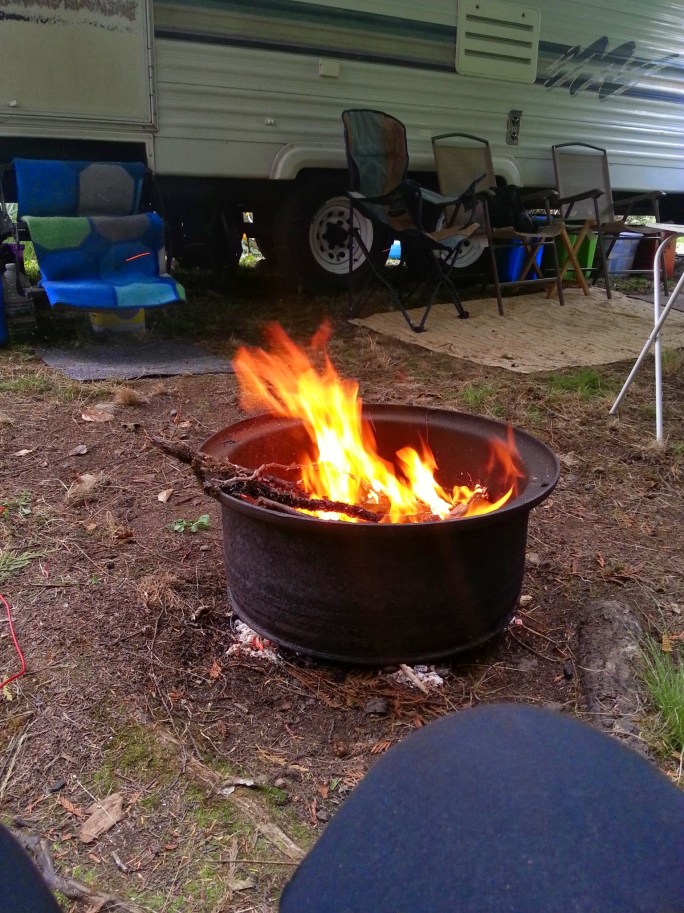
Telling spooky stories around a popping, crackling fire has been a tradition with my family and friends for as long as I can remember.

I still remember tales narrated by the Camp-master of Hardy Dam in Newaygo County, Michigan, that met with my parents, my sister, myself, and several other friends and family when I was under the age of five. He intended to scare us with his frightening tales, and it worked, as it cut our sleeping hours short. Scars dominated one entire side of his face, the result of a Coleman lantern exploding after he tumbled down a steep riverbank beside the Muskegon River. Even at four, he looked terrifying to me. Looking back, I think he understood children remember stories better when they are just a little frightened. Plus, he had accepted his unusual appearance and learned to use it to practice the art of storytelling. He was a large man and resembled someone who’d lead a cattle drive on the classic television show “Rawhide”. Popular with everyone, he also played guitar, and would bring out his six-string acoustic when he finished weaving his tales. The entire camp would sit, mesmerized, while he sang simple folk songs as the coals burned down to a bright orange. Sometimes, the entire crowd would join in to sing along.

Yet the story I’ve never forgotten wasn’t one he told. This night was eerier than any I’ve experienced over many camping years.  

During my college days, my friend group numbered around fifteen to twenty people, most of whom worked together at different restaurants as servers and bartenders. Every year, we came together in the summer to camp at the same rustic spot in the Manistee National Forest. The site overlooked a lovely, meandering section of the south fork of the Pere Marquette River in Branch Township, Michigan, and it featured a long stretch of sandy bottom. We used the water to cook and swim; it was crystal clear and swift-flowing.

Nearing the end of the annual celebratory weekend, only three campers remained: myself, my son, and my best friend. The river represented moments of peace in our busy lives, and we were always the last to give up that serenity. That night, as we sat around a dying fire, we commented on the sound from stately white pine branches swishing in the wind, how the tiny young apples that grew on the wild and twisted tree in camp would be ready to eat by the fall, and how much we appreciated the fresh scent of the red pines that grew in great numbers all around. 

Sitting on this open grassy plateau that bordered the river, we watched the last of the sunlight slip from the sky and discussed the emergence of a deep indigo blue filling the atmosphere above our heads. The moon, in an early phase, cast no shadow of light, so the first stars twinkled as brightly as individual sparklers.

In tune with the mellow atmosphere, our talk turned to speculation. We had hunted for arrowheads and artifacts from the early settlers of this land, but had found nothing. A discussion about Native Americans began, and we imagined that this beautiful opening at the riverbank may have been a spot where men fished while women cared for the young and worked on preserving food. What kind of shelter had been there? Did the Odawa or Potawatomi build a lovely wigwam or longhouse nearby? Were there racks of salmon smoking over a fire in the very spot where our embers burned? 

We spoke in lowered voices about how the ancient peoples had cared for and preserved the land now available for our use. Our group respected the beauty and made sure the land looked the same when we left, with as little trace of our presence as possible.  

As the three of us sat around the minimalist flames that had been an enormous bonfire earlier in the day, we listened to music from a portable CD player that used batteries as its power supply. It had been dying, so the volume was low. This was a time before cell phones or portable power packs. Eight D cells provided the juice, and we had no replacements, as they were expensive.

My son decided that the haunting Native American flute music of Carlos Nakai would be appropriate for this revelation of the evening sky. The player was nearly dead, so we ended our conversation to listen to the lovely flute music. Looking back, it was almost as though an enchantment settled upon us as we immersed ourselves in the placid environment.

Suddenly, the volume on the player increased to a level that had never been possible, and chants and music filled the surrounding air, echoing across the riverbank and in the space above us. In confusion, our bodies froze in place, incapable of moving as if the magic of the moment had trapped us. The music sounded like a choir of angels directly above our heads.

I’d like to say that we enjoyed the concert. But the impossibility of what was happening scared us. My son finally jumped up and turned off the player. The experience interfered with our extra night at the gurgling Pere Marquette River. We quickly packed up and raced back to the main road.

The next day, we discussed theories about what had happened. None made sense. In the end, we let go of any explanation.

After that, our lives took us in different directions for over two decades. Ten years ago, I returned to the area, and my son followed with his new family about five years ago. Last year, he suggested we hike into the old spot. The Forest Service had closed it a few years back.

It was so overgrown, the hike was difficult. Treading on a dirt path towards the sacred riverbank, I wondered if any aspect would look the same. The environment has returned to nature, and we had been told that a lot of black bears now inhabit the area.  

As we made our way to the spot, the trees gave way to the pleasant grassy plateau directly in front of our old campsite, where it had always stood. 

My heart filled with gratitude to see the old gathering place. There was no evidence of human presence. No old fire pit or burned pieces of charcoal, no trampled grasses, or path to the river’s edge. Just the peaceful water flowing by. My son and I brought up the incident that had occurred on that night so long ago. We agreed there was no answer to what happened and there never would be.

When we left, we felt satisfied that the place of so many memories had returned to its natural state. It seemed a fitting end to the story of our friend reunions.

***

Campfire Prompts

Is there a place from your past that still feels almost sacred to you? Maybe it’s a campsite, a lake, a favorite fishing hole, or a quiet patch of woods. There are no right or wrong answers. Pull up a chair and tell us your story. Tell us why it has stayed with you over the years.
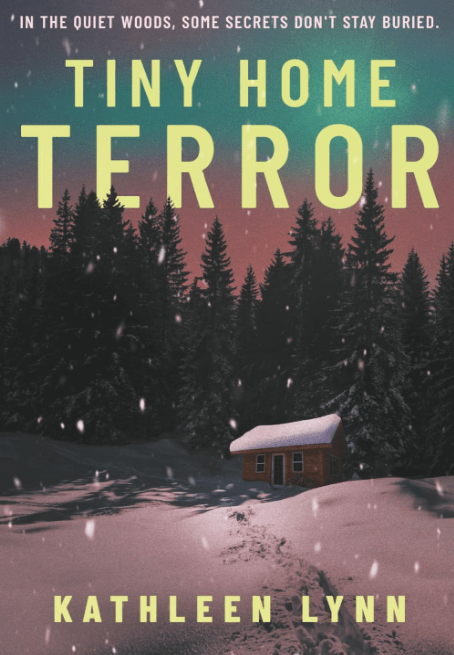
Tiny Home Terror is Finally Here!

After years of writing, revising, and bringing this story to life, I’m excited to share that my first suspense novel, Tiny Home Terror, is now available on Amazon in Kindle, paperback, and hardcover editions. Click the link below or here to order now!

The story introduces Janet Hardy, a wildlife biologist whose fresh start in the northern Michigan woods takes a dark turn when her dog uncovers human remains buried on her property. What follows is a chilling tale filled with danger, secrets, and unexpected twists.

This is the first book in the Janet Hardy Suspense Series, and I couldn’t be more excited to finally share it with readers! Thank you to everyone who has encouraged me along the way. I hope you enjoy Janet’s first adventure as much as I enjoyed writing it.

Surprising Benefits Our Dogs Bring to Us

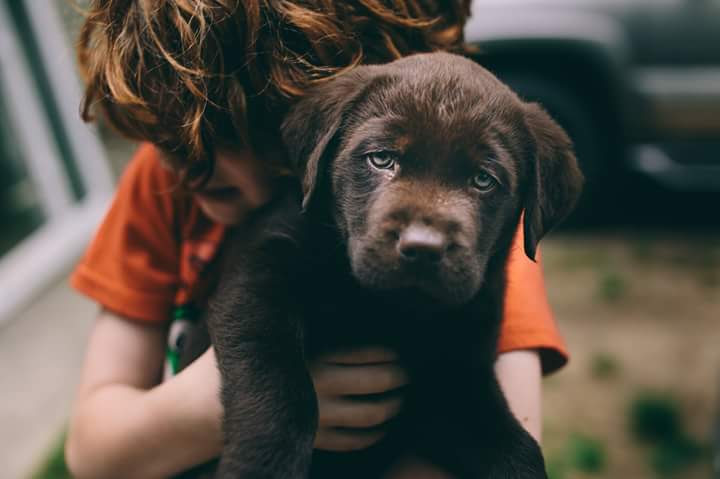
FB_IMG_1465990391739In my novel, Tiny Home, the chocolate lab Bronson detects scents that warn his owners of crime evidence.  He sniffs problems with the plumbing and electrical systems in the Hardys’ cabin. They ignore him. It would forever change the story if they had listened. Here are reasons you should pay attention to your dog’s sniffing and appreciate the other benefits of owning a canine!

1.  Dogs help build your immune system,

It’s no joke.  People that live with dogs develop the same “good” bacteria in their guts as their furry friends.  It links these bacteria with overall mental and physical health, especially as we age. Fido acts as our probiotic protection, keeping us from succumbing to illnesses.  So the next time you complain about dirty dogs, think twice. You need the good germs to fight off the bad kind.

2,    You might date more.

No, you will date more.  Many studies have shown people perceive pet owners to be more empathetic and nurturing.  Another study showed more than half of the people interviewed said they would not go out with someone who does not like pets.  According to one source, couples who were pet owners reported a higher rate of relationship satisfaction. Other experiments have shown the odds of getting a woman’s phone number increase by over 50% for a single man with a pooch on a leash.  And labs were the top-rated choices for instant attraction. How can you resist a loveable labrador?

3.    You and your children may develop a stronger resistance to

        allergens.

Dogs help children pick up microbes that protect them from allergies and asthma.  Kids raised with dogs are more likely to benefit when the bacteria fall from their pet’s skin and settles in the gut, where it triggers the immunity response.  One study showed that children raised with canines are 77% less likely to develop adverse reactions to dust mites, ragweed, and grass.

4.    Your dog may help with early detection of cancer and other diseases.

Dogs rank superior to humans.  Yes, it’s true for olfactory receptors.  They hold up to 300 million while humans average six million.  And the part of their brain devoted to smell is 40 times more developed than ours.  Nova reported that one dog could smell whale poop floating on the water in Puget Sound a mile away.  Our favorite canines have detected buried odors as far as 40 feet underground. So the next time your loving pooch sniffs you all over, don’t shoo your “doctor” away.  Pay attention and schedule a visit with your physician if the dog repeatedly sniffs in one area of your body. It may just save your life.

5.    Dogs can help you stay sober.

Your dog is a model of the unconditional love and support you need when you are struggling to overcome an addiction.  Not only is your furry companion there for you, but taking care of pooch teaches you lessons in responsibility and caretaking.  When your emotions hop aboard a roller coaster, your pet can help stabilize them with their need for exercise. Walking reduces depression and triggers endorphins which fight stress.  You are less likely to fall off the wagon if your feelings are positive.


NAILING NOVEMBER’S NOVEL

Preparing to write Tiny Home!

Among the completed, yet unedited files of children’s books, memoirs, blog posts, and poetry sits my favorite, unfinished project.  A mystery titled, “Tiny Home.” It’s the work I am most motivated by and yet have not completed.

With feedback from my experienced peers at Ludington Writer’s group, I worked on editing.  Over and over on the first three chapters. I need to rise to the challenge of moving forward as the support and interest in my project is positive.

I am a procrastinator.  Laundry, house remodeling, cleaning, meal cooking, and grandchildren watching have taken precedence.  Reading other author’s works, sitting in my easy chair, playing casino games, and shopping have consumed the rest of my free time.

When Barry, the leader from LWG, shared information about a National Writing Challenge, I knew I had to participate!

NaNoWriMo – the Organization

https://nanowrimo.org – their website

Here is the Wikipedia definition:

National Novel Writing Month, is an annual, Internet-based creative writing project that takes place during the month of November. Participants attempt to write a 50,000-word manuscript between November 1 and November 30. Well-known authors write “pep-talks” to keep them motivated throughout the process. Wikipedia

I am determined to finish “Tiny Home”.  I straightened up my house, informed my husband he WILL be cooking for himself during the month, chose not to host Thanksgiving, and set up a profile on the NaNoWriMo website.

Now, I will have no excuses!  I completed an outline of the book, along with character descriptions, and a discussion of major events.  There are 16 or 17 chapters left to write.

Although advice from the NaNoWriMo website suggests starting from scratch, I am driven to get this story out so it will be my project during the contest.  That is acceptable, as long as I don’t claim the number of words I wrote prior to November 1.

I am a new, unpublished author yet have been a writer for years.  Until my retirement from teaching, I did not pursue publishing.  Now, I’ve changed my mind.  Joining Ludington Writer’s Group and the SCBWI (Society of Children’s Book Writers and Illustrators, https://www.scbwi.org/join-scbwi/), I realize I want to improve and work on my craft full time.

I encourage all writers out there to join a local writer’s chapter or other organization that supports your creative endeavors!  The groups lift you up, set you straight, laugh with you, and take your writing seriously.  What more inspiration could you want?

I am hoping if you ever thought of writing a novel, are stuck in the middle of one, or even if you are a published novelist needing another push of motivation, consider joining the national challenge.  There is a lot of support from writing buddies, question and answer forums, and other options, including classes that help build your skills.

If you decide to begin the journey, make sure you look me up.  I am listed as “Chameleon at Work”, from Northern Michigan.  Wish me luck, and good luck to any other writers that carry the 30-day writing torch!  Hope your new novel is a best seller!

Writer’s Insomnia

Here is one of my first blogs as a writer.

grey and white floral bed comforter

Sleep eludes me these days.  I could blame it on my arthritis.  Or the cup of coffee I drank after 6 p.m.  It could be a menopausal symptom.  But I would just be lying to myself.  My mind knows it is delving into a period of insanity.  It’s not a bad thing.  I won’t seek professional counseling, and I won’t use a self-help technique to escape its clutches.

In fact, I welcome the onset of sleepless hours, even knowing I will feel and look dragged out until this time passes and I can once again rest for a full night.  It will result in a few mood swings.  Most certainly, there will be a rise in conflict with my husband.

This insomnia marks the initiation of a creative period that will result in the birth of a piece of writing.  What will show up?  I will not direct the flow.  It could be another children’s book.  Today, it’s a novel.  The National November Writing challenge provided the ticket for this crazy ride.  Work every day on your novel, without editing until you run out of energy.  Complete the project by the 30th.

November 1 is not here yet, but the creative wheels are greased up and in motion.  I am ready.  I know how this goes.

During my teaching years, I wrote.  Every day.  Lesson plans, student goals, the administration required reports.  Not just in the early morning before the commute to my classroom, but after school and on the weekends.  Feedback on class assignments, event planning in my daily planner, updates on my professional website, letters to parents, requests for donations as Class Sponsor, entries in my evaluation materials.

I longed to write a story.  I started more of them than I could count.  Inevitably, they would pile up unfinished as the importance of school paperwork shoved them to the back burner.

I was not a superhero.  I could not move beyond professional writing during my working years.  The career change had to start upon my retirement.  It began without planning.  One day, after the first year of traveling and teaching part-time, I felt the urge to begin writing a children’s book.  I found myself typing every day, hours upon end.  What was happening?  I often stayed in my pajamas.  On trips to the bathroom, I would glance at my unmade up face and crazy uncombed hair.  I didn’t have time to focus on something that minor.  I couldn’t wait to get back to my laptop and continue.

Luckily, I had no children at home.  My husband was traveling for his job.  The days flowed into weeks and months passed.  I appreciated the solitude of my country home, far away and snowed in enough during these winter months to make the trip out a hassle for visitors.

When the seasons changed and my writing slowed down, I took inventory.  I had completed over 20 children’s books!  I was amazed at myself.  I considered resting on my laurels for a time.  But being goal oriented, I intended on pursuing publication.  I worked on that avenue with vigor and recognized the deadly roadblock. I would need feedback for my writing.  A lot of it.

I joined a local writer’s group.  Then the misery began.  The participants were seasoned writers from many genres.  The biggest percent had already published.  I found a connection of incredibly talented people. I was critiqued on my writing.  Oh no! Everything needed editing.  Not once, not twice, not three times.  Over and over again.  It was a realization that nearly stopped me in my tracks.  To survive as a writer, you must take criticism of your work.  You must be willing to change.  I hadn’t thought of this aspect of the creative process.  It’s simply not as fun as creating the first draft.  It’s slow, tedious, and frustrating.  In the end, your writing improves.  It flows better.  The nugget of inspiration is revealed with clarity that wasn’t present in the beginning.

A few years into this journey, I am learning how to balance the creative flow with the tedious “administrative” work of writing.  It’s not easy.  I have yet to publish.  Oh, I have submitted. My e-mail has not blown up with offers.  I realize there is no other choice but to continue and at least I am able to call myself a writer.  That is real progress.

I know these steps are part of the normal process.  Overall, I have been happier than at any other time in my life.  Even with the sleeplessness and bathrobe filled days.  Creativity unleashed does that for you.  Whether or not I sell anything is irrelevant.  I started something that will not end until I mentally or physically am unable to perform.

I hope that is many, many years from today!